
Choosing the right heating solution for your home is one of the most important decisions a homeowner can make, especially when seeking reliable, efficient, and cost-effective warmth during colder months. A high-quality Wood Stove stands out as a timeless and practical option that delivers consistent heat, reduces dependence on traditional utility systems, and creates a cozy atmosphere that few other heating methods can match. For homeowners searching for sustainable fuel sources and local supply options, understanding how to select the ideal Wood Stove becomes essential.
This comprehensive guide covers everything you need to know—from types and sizing to efficiency ratings, fuel considerations, installation requirements, maintenance, safety, and where to source related products such as kiln-dried firewood and pellets—so you can make an informed choice that fits your home, lifestyle, and budget. Whether you live in a rural area with easy access to wood supplies or a suburban neighborhood looking to cut heating costs, a properly chosen Wood Stove can transform your living space. The goal of this guide is to walk you through the decision-making process step by step, helping you avoid common pitfalls while maximizing the long-term benefits of your investment.
Why a Wood Stove Remains a Smart Choice for Modern Homes
A Wood Stove offers more than just heat. It provides radiant warmth that feels more comfortable than forced-air systems, operates independently of the electrical grid during outages, and can significantly lower monthly energy bills when paired with the right fuel. Modern units are far cleaner and more efficient than older models, meeting strict emissions standards while delivering impressive heat output. Homeowners who pair their Wood Stove with high-quality kiln-dried wood or complementary pellet systems often report greater control over indoor temperatures and a reduced carbon footprint compared with fossil-fuel heating alone.
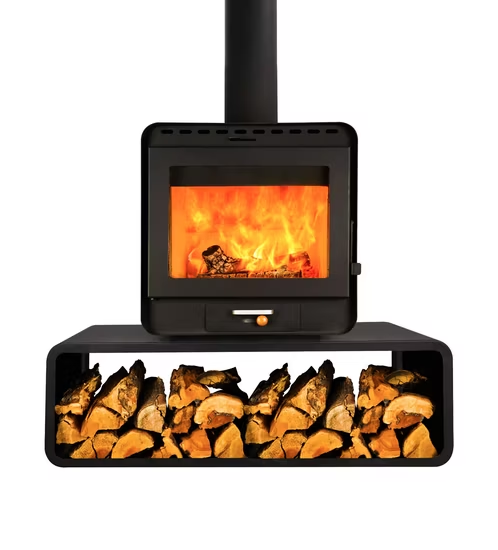
Beyond practicality, a Wood Stove adds aesthetic value. Many designs feature large glass doors that showcase the dancing flames, turning the appliance into a focal point of the room. Cast-iron or soapstone models retain heat long after the fire dies down, providing lingering warmth through the night. For families concerned about rising utility rates or seeking greater energy independence, investing time in selecting the right Wood Stove pays dividends for years.
Understanding Different Types of Wood Stove Designs
Not every Wood Stove is the same. The market includes freestanding units, fireplace inserts, catalytic and non-catalytic models, and hybrid designs that accept multiple fuel types. Knowing the distinctions helps narrow your options quickly.
Freestanding Wood Stove models sit independently in a room and typically offer the highest heat output because heat radiates from all sides. They require adequate clearance from walls and floors and a dedicated chimney or approved venting system. Fireplace inserts, by contrast, fit into an existing masonry or factory-built fireplace, converting an inefficient open hearth into a sealed, high-efficiency heater. Inserts are popular for homeowners who already have a fireplace and want to improve performance without major structural changes.
Catalytic Wood Stove units use a ceramic honeycomb coated with precious metals to lower the ignition temperature of smoke and gases, resulting in cleaner burns and higher efficiency. Non-catalytic models achieve similar results through carefully engineered firebox designs, secondary combustion chambers, and precise air controls. Both styles can meet current Environmental Protection Agency (EPA) certification standards when properly operated. Hybrid stoves that burn both cordwood and wood pellets provide flexibility for users who want the convenience of automated pellet feeding alongside the traditional experience of loading logs.
When evaluating any Wood Stove, pay close attention to the manufacturer’s stated heat output in British Thermal Units (BTUs), the size of the firebox, and the recommended room or home square footage. Oversizing leads to short, inefficient burns and potential overheating; undersizing forces the stove to work harder and may leave parts of the house cold.
Key Performance Metrics for Evaluating a Wood Stove
Efficiency ratings, emissions data, and heat-output ranges form the foundation of any smart Wood Stove purchase. Look for EPA-certified models that list both overall efficiency percentages and particulate emissions in grams per hour. Higher efficiency means more of the wood’s energy is converted into usable heat rather than lost up the chimney. Lower emissions indicate cleaner combustion, which benefits both indoor air quality and outdoor air standards.
Heat output is usually expressed as a range (for example, 20,000–50,000 BTUs). Match this range to the heating load of your space. A rough rule of thumb is that a well-insulated home in a moderate climate needs approximately 20–30 BTUs per square foot, while older or poorly insulated homes in colder regions may require 40–50 BTUs per square foot or more. Professional heat-loss calculations provide the most accurate guidance, especially for larger homes or open floor plans.
Other important metrics include the burn time on a single load of wood, the presence of a blower or fan for circulating heat, and the quality of the door gasket and glass. A Wood Stove with a long, controlled burn reduces the frequency of reloading and maintains more even temperatures overnight.
Sizing Your Wood Stove Correctly for Optimal Performance
Correct sizing is critical. An oversized Wood Stove will cycle on and off frequently or require the operator to keep the fire small and smoldering, which increases creosote buildup and reduces efficiency. An undersized unit will struggle to maintain comfortable temperatures during extreme cold, forcing supplemental heating from other sources.
Begin by measuring the square footage of the primary living areas you intend to heat. Consider ceiling height, insulation levels, window quality, and the climate zone. Homes with open floor plans or vaulted ceilings need larger capacity. If the Wood Stove will serve as a supplemental rather than primary heat source, a smaller unit may suffice. Many manufacturers provide sizing charts based on climate zones and insulation ratings; use these as a starting point and consult a local dealer or installer for confirmation.
Placement also influences effective sizing. A Wood Stove located in a central, open area distributes heat more evenly than one tucked into a corner or isolated room. Strategic use of ceiling fans, open doorways, and ductwork (in the case of certain inserts) can extend the reach of the heat.
Fuel Considerations: Cordwood, Pellets, and Beyond
The performance of any Wood Stove depends heavily on the fuel you feed it. Seasoned or kiln-dried hardwoods such as oak, maple, and hickory produce long, hot burns with relatively low ash and creosote. Softwoods burn faster and are better suited for shoulder seasons or quick warm-ups. Moisture content is the single most important fuel variable; wood above 20 percent moisture content burns inefficiently, produces excess smoke, and accelerates chimney fouling. Kiln-dried firewood consistently measures well below this threshold and lights more easily than air-dried wood that has been stacked outdoors for only a season or two.
Wood Pellets
Wood pellets offer a convenient alternative or complement to traditional cordwood. Manufactured from compressed sawdust and wood waste, pellets deliver consistent energy density, low moisture, and clean combustion when used in dedicated pellet stoves or hybrid models. Many homeowners appreciate the automated feed systems that maintain steady heat with minimal intervention. When evaluating whether pellets fit your lifestyle, consider storage space, the availability of local suppliers, and the cost per heating season compared with cordwood.
Buy Wood Pellets Near Me
Locating a reliable local source for pellets simplifies logistics and often reduces transportation costs. Searching for options to Buy Wood Pellets Near Me allows you to compare bagged versus bulk delivery, moisture guarantees, and ash content. High-quality pellets produce less than 1 percent ash and burn with minimal residue. Establishing a relationship with a nearby supplier ensures you can restock quickly during peak heating months and may open the door to volume discounts or seasonal contracts. Always verify that the pellets meet industry standards for density and purity so they perform optimally in your appliance.
Buy Firewood Near Me
For traditional wood-burning enthusiasts, the ability to Buy Firewood Near Me remains a top priority. Local suppliers of kiln-dried firewood eliminate the guesswork of moisture content and reduce the risk of importing pests or diseases that sometimes accompany green or poorly seasoned wood. When you Buy Firewood Near Me, inquire about species mix, delivery options, stacking services, and volume pricing. Many reputable dealers offer measured cords or face cords and will provide moisture-meter readings upon request. Purchasing locally also supports regional forestry practices and shortens the supply chain, which can mean fresher, better-performing fuel arriving at your door.
Buy Wood Stove
Once you have clarified your heating needs and preferred fuel, the next step is to Buy Wood Stove from a trusted retailer or authorized dealer. Choosing where to Buy Wood Stove affects warranty support, installation guidance, and access to replacement parts. Local specialty shops often provide in-home consultations, flue inspections, and professional installation services that big-box stores may not match. Online research can help you compare models, but final purchase and setup are best handled by professionals familiar with local building codes and chimney requirements. When you Buy Wood Stove, confirm that the unit carries current EPA certification and that the dealer can supply compatible accessories such as hearth pads, wall shields, and chimney components.
Installation Requirements and Safety Essentials for a Wood Stove
Proper installation is non-negotiable. A Wood Stove must be placed on a non-combustible hearth that extends the required distance beyond the stove’s footprint. Clearance to combustible walls, furniture, and ceilings must meet or exceed manufacturer specifications, often reduced by using approved heat shields. Chimney systems—whether masonry or prefabricated Class A pipe—need correct sizing, height, and termination clearances to ensure adequate draft and to prevent creosote fires.
Local building codes and insurance requirements frequently mandate permits and inspections. Hiring a certified installer familiar with the National Fire Protection Association (NFPA) guidelines and the manufacturer’s instructions protects both safety and warranty coverage. Carbon monoxide detectors and smoke alarms should be installed on every level of the home and tested regularly. Never leave a fire unattended for long periods, and keep a fire extinguisher rated for Class A fires nearby.
Maintenance Practices That Extend the Life of Your Wood Stove
Regular maintenance keeps a Wood Stove operating efficiently and safely. Ash should be removed when it reaches a depth of one to two inches, leaving a thin insulating layer on the firebox floor. Glass doors can be cleaned with specialized cleaners or a damp cloth and fine ash once cooled. Gaskets around doors and glass should be inspected annually and replaced when they lose resilience. Chimney sweeping is essential; frequency depends on usage and fuel quality, but at least once per heating season is a common recommendation for moderate users. Catalytic combustors, when present, require periodic inspection and eventual replacement according to the manufacturer’s schedule.
Storing fuel properly also protects performance. Keep kiln-dried firewood and pellets in a dry, covered location elevated off the ground. Avoid stacking wood directly against the house, which can invite pests and moisture issues.
Cost Analysis: Upfront Investment Versus Long-Term Savings
The purchase price of a quality Wood Stove ranges widely depending on size, materials, features, and brand reputation. Freestanding cast-iron or steel models, inserts, and hybrid units each occupy different price tiers. Installation costs—chimney work, hearth construction, and labor—can equal or exceed the cost of the stove itself in some cases. Factor in ongoing expenses for fuel, chimney sweeping, and occasional parts.
Against these costs, weigh the potential savings on utility bills. In regions with high electricity or natural-gas prices, a well-operated Wood Stove can offset a substantial portion of heating expenses. Homes that previously relied solely on electric baseboard or inefficient fireplaces often see the fastest payback. Tax incentives or local rebate programs for high-efficiency wood-burning appliances occasionally become available; check current offerings in your area when planning the purchase.
Environmental Impact and Responsible Wood Stove Operation
Modern EPA-certified Wood Stove models produce far fewer particulate emissions than older uncertified units. Burning only dry, well-seasoned or kiln-dried wood further reduces smoke and improves combustion efficiency. Avoid burning treated lumber, painted wood, trash, or plastics, all of which release toxic compounds. Responsible forestry practices—sourcing wood from sustainable harvests or using waste wood products in pellet form—help ensure that wood heating remains a renewable option rather than a contributor to deforestation.
Matching a Wood Stove to Your Home’s Architecture and Lifestyle
Open-concept living spaces benefit from freestanding models with strong radiant and convective output. Smaller rooms or secondary heating zones may suit compact units or inserts. Homes with existing fireplaces often find inserts the most seamless upgrade. Lifestyle factors also matter: busy households may prefer the automated convenience of pellet-capable hybrids, while traditionalists enjoy the ritual of loading cordwood and tending the fire.
Aesthetic preferences play a role as well. Contemporary designs with large viewing windows and clean lines complement modern interiors; classic black or enamel finishes suit more traditional décor. Soapstone stoves offer unique heat-retention properties and a distinctive appearance that many owners prize.
Common Mistakes to Avoid When Selecting a Wood Stove
One frequent error is choosing a stove based solely on appearance or price without verifying heat output and efficiency ratings. Another is underestimating the importance of professional installation and proper chimney design. Operating a stove with wet wood or restricting air supply excessively leads to smoky burns and rapid creosote accumulation. Neglecting regular maintenance shortens equipment life and increases fire risk. Finally, failing to plan for fuel storage and supply can turn a convenient heating source into a logistical headache during peak winter demand.

1 Comment
Hi, this is a comment.
To get started with moderating, editing, and deleting comments, please visit the Comments screen in the dashboard.
Commenter avatars come from Gravatar.