Heating your home efficiently during the colder months requires reliable fuel that delivers consistent heat, minimizes waste, and aligns with both budget and environmental goals. Wood pellets have emerged as one of the most popular choices for modern heating systems, offering a clean-burning, renewable alternative to traditional fuels. This complete buying guide explores everything you need to know about selecting, purchasing, and using the best wood pellets for heating. Whether you are upgrading from oil or gas, supplementing an existing stove, or seeking a sustainable solution, understanding wood pellets will help you make an informed decision that keeps your home warm and your costs under control.
At Kiln Dried Wood Near Me, we specialize in premium heating fuels that prioritize quality, dryness, and performance. While our core offerings include kiln-dried logs, we recognize that many homeowners also rely on wood pellets for their convenience and efficiency. This guide draws on practical experience with high-quality biomass fuels to help you navigate the options available.
What Are Wood Pellets and Why They Matter for Home Heating
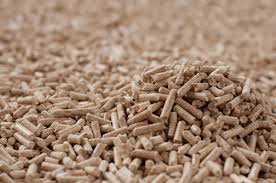
Wood pellets are small, cylindrical pieces of compressed biomass, typically made from sawdust, wood chips, and other residual wood materials. These materials are dried, ground, and forced through a die under high pressure, creating dense pellets that burn hotter and more cleanly than many traditional solid fuels. The production process removes much of the moisture and creates a uniform product that feeds reliably into pellet stoves, boilers, and multi-fuel appliances.
The density of wood pellets is a key advantage. Because they are highly compressed, they pack more energy into a smaller volume than loose firewood. A standard bag of wood pellets usually weighs around 40 pounds and contains a predictable amount of heat energy, measured in British Thermal Units (BTUs). High-quality wood pellets can deliver approximately 8,000 to 9,000 BTUs per pound, making them an efficient choice for consistent heating.
Moisture content plays a critical role in performance. Premium wood pellets generally maintain moisture levels below 8 percent, which contributes to cleaner combustion, higher heat output, and reduced creosote buildup in chimneys and flues. This low moisture content is one reason many users prefer wood pellets over higher-moisture fuels. When sourced from reputable suppliers who emphasize proper drying and quality control, wood pellets offer a dependable heating solution that performs well across a range of appliances.
Benefits of Choosing Wood Pellets for Your Heating Needs
There are several compelling reasons why homeowners turn to wood pellets for heating. First is efficiency. Modern pellet stoves and boilers are designed to extract maximum heat from the fuel while producing minimal ash and emissions. Many systems achieve efficiency ratings above 80 percent, which means more of the energy in the fuel is converted into usable heat for your living space.
Second is convenience. Wood pellets come in sealed bags that are easy to store, transport, and load. Unlike some solid fuels that require cutting, splitting, or stacking, wood pellets can be poured directly into a hopper. Many appliances feature automatic feeding systems that maintain a steady burn with minimal user intervention. This makes wood pellets particularly appealing for people who want reliable heat without the daily labor associated with traditional wood heating.
Third is environmental performance. Because wood pellets are made from residual wood products that might otherwise go to waste, they represent a form of renewable energy. When the source material comes from sustainably managed forests or sawmill byproducts, the carbon footprint can be lower than that of fossil fuels. Clean-burning wood pellets also produce fewer particulates and less smoke than many other biomass options when used in EPA-certified appliances.
Fourth is cost predictability. While prices fluctuate with supply and demand, wood pellets often provide a more stable cost per unit of heat than oil or propane in many regions. Buying in bulk during off-peak seasons can further improve value. For households already invested in pellet appliances, the ongoing fuel expense is often competitive with other heating methods.
Finally, wood pellets support energy independence. By using a domestically produced renewable fuel, homeowners reduce reliance on imported energy sources and contribute to local forestry and manufacturing economies.
Understanding Different Grades and Types of Wood Pellets
Not all wood pellets are created equal. The industry uses grading systems to help consumers identify quality levels. Premium-grade wood pellets typically contain the lowest ash content (under 1 percent), the lowest moisture, and the highest density. These are ideal for most residential pellet stoves because they produce less residue and require less frequent cleaning.
Standard-grade pellets may have slightly higher ash content and are sometimes used in larger commercial systems or outdoor boilers where ash management is less of a concern. Specialty pellets can include blends with agricultural residues or specific hardwood or softwood compositions that influence burn characteristics and heat output.
Hardwood pellets generally burn longer and hotter, while softwood pellets can ignite more easily and produce a brighter flame. Many manufacturers blend species to achieve a balance of ignition speed, heat duration, and ash characteristics. Always check the packaging for information on ash content, moisture percentage, and BTU rating. Reputable suppliers will provide clear specifications so you can match the fuel to your appliance manufacturer’s recommendations.
How to Select the Best Wood Pellets for Your Specific Situation
Choosing the right wood pellets starts with understanding your heating appliance. Consult the owner’s manual for approved fuel types and any restrictions on ash content or additives. Using pellets outside the recommended specifications can void warranties or reduce efficiency.
Next, evaluate your heating load. Homes in colder climates or those with larger square footage may benefit from higher-BTU pellets or bulk purchasing options. Calculate approximate annual usage based on past heating seasons or manufacturer estimates for your stove’s output.
Storage capacity also matters. Wood pellets must be kept dry. Exposure to moisture causes swelling, crumbling, and reduced performance. Dedicated storage areas that remain cool and dry protect your investment. Many users store bags on pallets elevated off concrete floors and away from exterior walls to minimize humidity absorption.
Consider local availability and delivery options. Consistent access to quality wood pellets reduces the risk of running out during peak cold periods. Building a relationship with a reliable supplier ensures you receive fresh product that has been properly stored and handled.
Price should be evaluated on a cost-per-BTU basis rather than simply per bag or per ton. Cheaper pellets with higher moisture or ash content may ultimately cost more in reduced efficiency, increased maintenance, and more frequent cleaning.
Comparing Wood Pellets with Traditional Options
Many homeowners weigh wood pellets against other solid fuels when planning their heating strategy. Firewood remains a popular choice for those with access to local timber, wood-burning stoves, or open fireplaces. High-quality seasoned or kiln-dried firewood provides excellent heat and a traditional ambiance that some people prefer. However, firewood requires more physical handling, larger storage space, and careful attention to moisture content to burn efficiently and cleanly.
Wood pellets offer greater uniformity and automation. The consistent size and density allow for precise metering in modern appliances, which can maintain more stable indoor temperatures with less fluctuation. Ash production is typically lower with premium wood pellets, simplifying cleanup. On the other hand, some users enjoy the ritual and sensory experience of tending a traditional wood fire and appreciate the longer burn times possible with large hardwood logs.
The decision often depends on lifestyle, existing equipment, and personal preference. Hybrid approaches are common: using wood pellets for primary automated heating while reserving firewood for supplemental heat or occasional fireplace use. Both fuels can coexist effectively when chosen and stored properly.
Practical Tips for Buying Wood Pellets Near Me
Finding a dependable local source is essential for ongoing heating success. When searching for options to buy wood pellets near me, prioritize suppliers who emphasize quality control, proper storage, and transparent product information. Look for businesses that specialize in heating fuels and can discuss the differences between grades, species blends, and packaging options.
Local suppliers often understand regional climate demands and can recommend products that perform well in your area’s typical winter conditions. They may also offer delivery services that save time and reduce the physical effort of transporting heavy bags. Ask about bulk pricing, seasonal promotions, and whether the pellets are manufactured to recognized quality standards.
Visiting a supplier in person allows you to inspect packaging for damage, check production dates when available, and confirm storage conditions. Fresh pellets that have been kept dry will perform better than product that has sat in damp conditions. Building a relationship with a nearby provider also means you have someone to consult if questions arise about appliance compatibility or usage techniques.
Guidance on Where to Buy Firewood Near Me as a Complementary Option
While this guide focuses primarily on wood pellets, many households maintain flexibility by also using traditional logs. Knowing where to buy firewood near me expands your options and provides backup fuel if pellet supply experiences temporary disruption. Seek out suppliers who offer kiln-dried firewood whenever possible. Kiln drying reduces moisture content significantly compared with air-seasoned wood, resulting in cleaner burns, higher heat output, and less creosote formation.
Local firewood providers who process and dry their own material often deliver superior consistency. Inquire about species, moisture testing methods, and stacking practices. Properly prepared firewood should feel relatively light for its size, produce a clear ringing sound when pieces are struck together, and show minimal signs of mold or insect damage.
Combining the convenience of wood pellets with the traditional appeal of quality firewood gives many homes a versatile heating strategy. Each fuel has strengths, and access to both supports resilience during extended cold spells.
Strategies to Buy Wood Pellets Efficiently and Economically
Smart purchasing practices help maximize value when you buy wood pellets. Timing plays a role: many suppliers offer better pricing in late summer or early fall before demand peaks. Stocking up during these windows reduces the chance of shortages and often locks in more favorable rates.
Calculate your expected seasonal consumption based on previous years or appliance efficiency ratings. Buying the right quantity avoids both running short and over-purchasing material that might degrade if stored too long. Most premium wood pellets maintain quality for a year or more when kept dry, but rotating stock ensures you always use relatively fresh product.
Compare unit pricing carefully. A lower price per bag does not always translate to better value if the pellets have higher ash or lower density. Request product specifications and, when possible, reviews from other local users. Some suppliers provide sample bags so you can test performance in your specific stove before committing to larger quantities.
Delivery logistics matter for larger orders. Confirm whether the supplier can place bags in a convenient location and whether there are minimum order requirements. Coordinating with neighbors for shared deliveries can sometimes reduce per-bag costs while ensuring everyone has access to quality fuel.
Storage, Handling, and Safety Best Practices for Wood Pellets
Proper storage protects the performance of wood pellets. Keep bags sealed until ready for use and store them in a dry, well-ventilated area away from direct ground contact. Elevated platforms or pallets help prevent moisture wicking from floors. Avoid locations near water heaters, laundry areas, or exterior walls that experience temperature swings and condensation.
When handling bags, use proper lifting techniques to protect your back. Many users invest in a simple dolly or cart for moving multiple bags at once. Once opened, transfer pellets into a dedicated hopper or sealed container to limit exposure to humidity and pests.
Safety considerations include maintaining clearances around pellet stoves according to manufacturer guidelines and local codes. Install and regularly test smoke and carbon monoxide detectors. Schedule annual professional inspections of your appliance, venting system, and chimney to ensure safe operation. Clean ash regularly according to the stove’s instructions; even low-ash pellets produce residue that should not accumulate excessively.
Maximizing Efficiency and Reducing Costs with Wood Pellets
Several habits help extract the most value from wood pellets. Keep your appliance clean and well-maintained so combustion remains efficient. Follow the manufacturer’s recommended cleaning schedule for the burn pot, heat exchangers, and exhaust pathways. A clean stove extracts more heat from every pound of fuel.
Monitor indoor humidity and ventilation. Excessively dry indoor air can make a home feel cooler at the same temperature, prompting higher thermostat settings. Balanced humidity improves comfort and can reduce overall fuel consumption. Use programmable or smart thermostats to lower temperatures when the house is unoccupied or during sleeping hours.
Insulate and seal your home to reduce heat loss. Even the best wood pellets cannot compensate for drafty windows, uninsulated attics, or poorly sealed doors. Addressing the building envelope multiplies the effectiveness of any heating system.
Track your usage over the season. Noting how many bags are consumed under different weather conditions helps refine future purchasing and identifies opportunities for further efficiency improvements.
Environmental and Sustainability Considerations
Wood pellets contribute to a circular approach to forest resources when produced from residuals. Supporting suppliers who source material responsibly encourages sustainable forestry practices. Look for certifications or transparency about feedstock origins when possible.
Compared with fossil fuels, wood pellets can offer lower net greenhouse gas emissions over their life cycle, especially when transportation distances are short and production uses efficient methods. Using high-efficiency appliances further reduces the environmental impact per unit of heat delivered.
Responsible ash disposal is part of good stewardship. Wood ash from pure wood pellets is often suitable for garden use in moderation, as it contains beneficial minerals. Confirm that no additives were present and follow local guidelines for disposal or application.
Common Mistakes to Avoid When Using Wood Pellets
One frequent error is purchasing the cheapest available product without checking specifications. Low-quality pellets can lead to higher maintenance, more frequent cleanings, and disappointing heat output. Another mistake is improper storage that allows moisture intrusion; once pellets absorb water, their performance declines sharply.
Overfilling hoppers or ignoring cleaning schedules can cause operational problems. Always follow the appliance manual. Mixing incompatible fuels or using pellets not approved for your stove risks damage and safety issues.
Failing to plan for peak demand periods leaves some households scrambling for supply during the coldest weeks. Building a modest reserve and establishing a relationship with a reliable supplier mitigates this risk.
Integrating Wood Pellets into a Broader Heating Strategy
Many successful heating setups combine multiple approaches. Wood pellets can serve as the primary automated system while firewood provides supplemental heat or backup. Solar thermal or heat pump systems can further reduce solid-fuel consumption on milder days. The key is designing a flexible strategy that matches your climate, home characteristics, and lifestyle.
At Kiln Dried Wood Near Me, we support customers seeking high-performance heating fuels. Whether your focus is wood pellets, premium kiln-dried logs, or a combination, understanding the strengths of each option leads to better results. Quality, dryness, and consistent supply remain the foundations of effective solid-fuel heating.