Finding high-quality firewood that burns cleanly, produces lasting heat, and arrives ready to use can transform your heating experience, whether you rely on a wood stove, fireplace, outdoor fire pit, or pizza oven. This complete guide covers everything from selecting the right species and moisture levels to purchasing in volume and storing it properly so it remains dry and efficient season after season. Emphasis is placed on practical, real-world advice tailored for homeowners seeking reliable local sources, with special attention to the advantages of properly processed wood.
Bulk Firewood Near Me
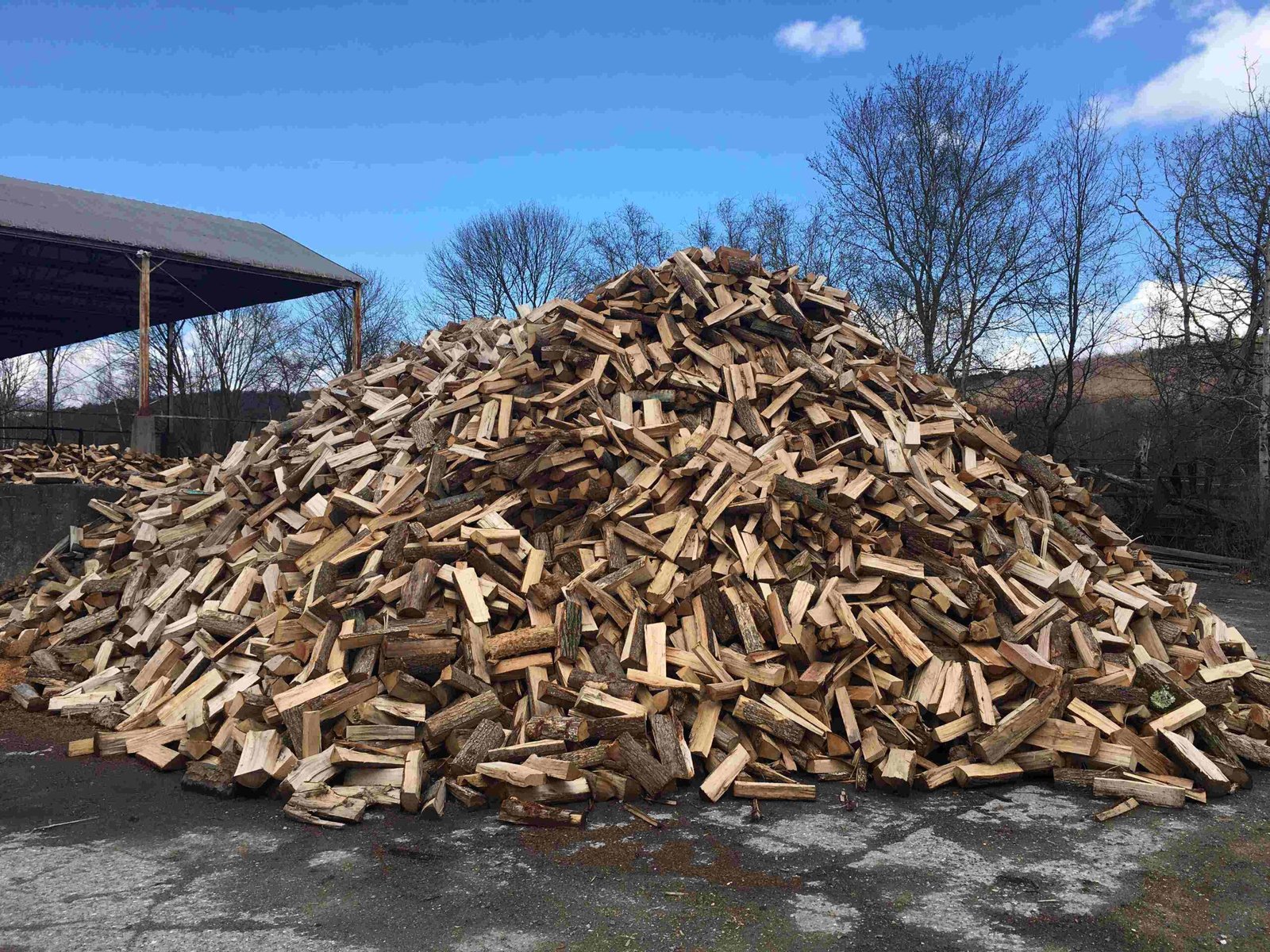
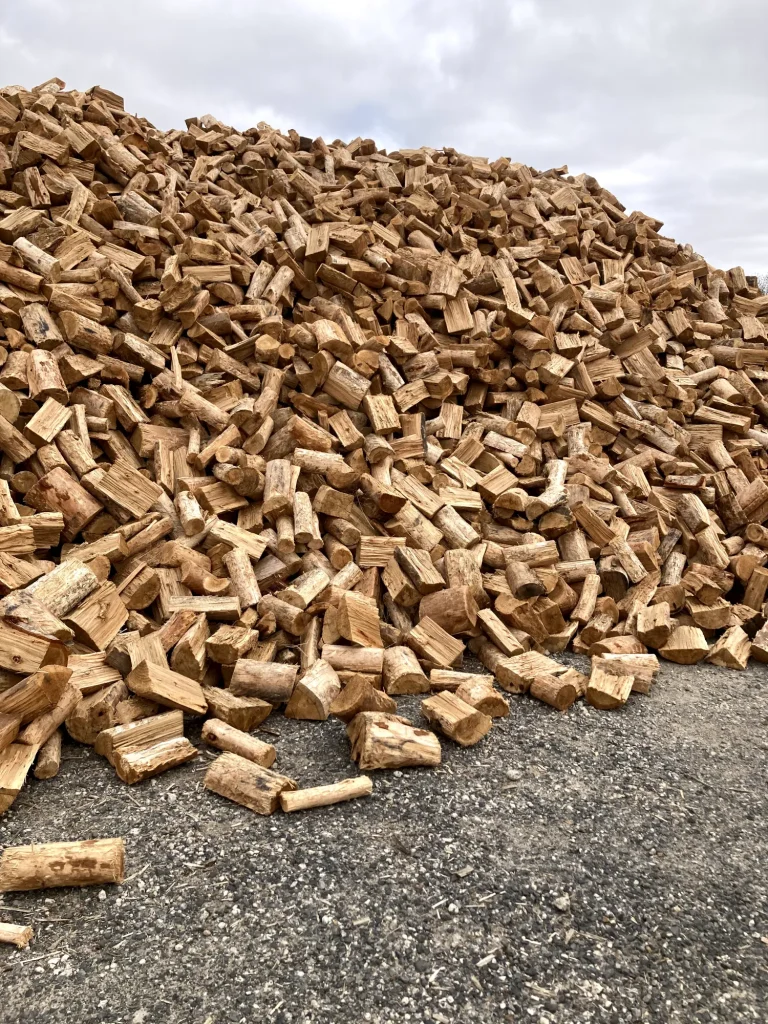
When heating needs are substantial—multiple cords for an entire winter, frequent outdoor fires, or commercial use such as restaurants or events—buying in bulk becomes the most economical and convenient approach. Searching for Bulk Firewood Near Me connects you directly with regional suppliers who can deliver large quantities of seasoned or kiln-dried wood without the markup and handling costs associated with small retail bags. Local bulk suppliers often operate mills, kilns, or large storage yards, giving them better control over inventory quality, moisture consistency, and delivery logistics.
Buying bulk firewood near you reduces transportation emissions and costs while ensuring fresher stock that has not sat in warehouses for extended periods. Typical bulk orders range from half a cord to multiple cords or even truckloads measured in face cords or full cords. A standard full cord measures 4 feet high by 4 feet wide by 8 feet long (128 cubic feet of stacked wood), while a face cord is usually 4×8×depth of the individual pieces. Confirm exact measurements with your supplier, as regional variations exist.
Local bulk providers frequently offer delivery services with forklifts or dump trucks that can place the load close to your storage area, saving hours of manual moving. Many also provide options for mixed hardwoods, pure hardwoods such as oak or maple, or specific blends suited to different burning appliances. Pricing for bulk firewood near me typically drops significantly per unit volume compared with bagged or small-bundle purchases, especially when ordered during shoulder seasons (late spring through early fall) when demand is lower and suppliers have greater capacity.
Quality indicators for bulk loads include uniform piece length (commonly 16 inches for most stoves, though 12–24 inches are available), consistent diameter (ideally under 6–8 inches for easier splitting and faster drying if not already kiln-processed), and absence of excessive bark, dirt, or green ends. Ask about the drying method: air-dried wood may still carry 20–30% moisture depending on climate and seasoning time, while kiln-dried material is brought down to 15–20% or lower under controlled conditions. Local suppliers of bulk firewood near me can often provide recent moisture-meter readings or certificates for kiln batches.
Establishing a relationship with a nearby bulk supplier yields additional benefits: priority access during peak winter demand, possible volume discounts on recurring orders, advice on local species that perform best in your climate, and sometimes custom cutting or splitting services. Before ordering, measure your storage capacity accurately and confirm access for delivery vehicles. Inquire about stacking assistance or tarping recommendations so the wood remains protected immediately after arrival. Searching specifically for bulk firewood near me also surfaces reviews, photos of previous loads, and transparency about sourcing practices—whether the wood comes from sustainable local forests, storm-damaged trees, or managed lots.
For households that burn several cords annually, locking in a bulk purchase early in the season or even the prior spring locks in better pricing and guarantees supply when temperatures drop. Some suppliers offer “standing orders” or seasonal contracts. Always verify that the wood is free of invasive pests or diseases if moving it across regional boundaries, though most local bulk transactions stay within state lines and face fewer restrictions. Properly chosen bulk firewood near me becomes the foundation of an efficient, low-maintenance heating strategy.
Firewood
Understanding the fundamental characteristics of firewood is essential before any purchase. Firewood is simply wood cut, split, and prepared for burning as fuel. Its performance depends on species density, moisture content, and how it was processed. Dense hardwoods such as oak, hickory, maple, ash, and beech generally provide higher heat output measured in British Thermal Units (BTUs) per cord and longer burn times. Softwoods like pine, fir, spruce, and cedar ignite more readily and produce higher initial flames but burn faster and may create more creosote if not fully dry.
Heat value varies significantly: a cord of well-seasoned oak can deliver roughly 24–28 million BTUs, while pine may offer 15–20 million. These figures assume proper dryness. Green or high-moisture wood wastes energy evaporating water instead of producing usable heat and increases smoke and chimney deposits. Ideal moisture content for most residential appliances sits between 15% and 20%. Above 25%, combustion efficiency drops sharply; below 12–15%, some woods can burn too hot or fast for certain stoves.
Piece size and shape also matter. Uniform lengths that fit your firebox without excessive cutting improve loading convenience. Splitting increases surface area, accelerating drying and promoting cleaner burns. Round, unsplit logs dry slowly and are harder to ignite. Bark content should be moderate; excessive bark can introduce dirt and slow drying. Quality firewood is free of excessive rot, mold, or insect infestation that reduces usable wood volume and can introduce unwanted spores or pests into the home.
Regional availability shapes the best choices. In the Northeast and Midwest, oak, maple, and ash dominate. Southern regions often feature denser species such as live oak or hickory. Western areas may rely more on fir, pine, or local hardwoods. Knowing local species helps match firewood to climate and appliance type. Modern EPA-certified wood stoves and inserts perform best with dense, dry hardwoods that produce steady heat and minimal particulate emissions. Outdoor fire pits and campfires tolerate a wider range, including some softwoods for easy lighting.
Beyond heating value, consider secondary factors: aroma (fruitwoods such as apple or cherry release pleasant scents), spark production (some softwoods throw more sparks), and ash volume (dense hardwoods leave less ash). Proper firewood selection reduces chimney-cleaning frequency, improves indoor air quality, and maximizes the return on every dollar spent. Whether used primarily for primary heat, supplemental warmth, or recreational fires, matching the right firewood to the intended use forms the cornerstone of satisfaction and safety.
Firewood Near Me
Locating reliable Firewood Near Me sources eliminates long-haul shipping costs, reduces carbon footprint, and allows personal inspection of the product before purchase. Local suppliers range from small family-run operations and farmers with surplus woodlots to larger commercial yards equipped with kilns and delivery fleets. Online searches, community boards, local hardware stores, and agricultural extension services often reveal current availability and pricing.
Proximity offers practical advantages. You can visit the yard, examine moisture levels with a simple pin-type meter, check for consistent sizing, and discuss species mixes. Delivery distances of under 20–30 miles keep freight reasonable and allow flexible scheduling. Many local providers understand regional weather patterns and can advise on the best times to take delivery so wood has maximum time to adjust to your storage conditions if needed.
Seasonality affects both price and quality of firewood near me. Late spring and summer frequently bring lower prices as suppliers clear inventory and process new cuttings. Fall and early winter see rising demand and higher rates. Planning ahead by contacting local sources in the off-season secures better deals and ensures stock is available when needed. Some yards maintain year-round inventory of kiln-dried material precisely to serve customers who cannot wait for air-seasoning cycles.
When evaluating firewood near me options, request recent customer feedback, ask about return or replacement policies for substandard loads, and clarify whether the price includes delivery, stacking, or both. Transparency about origin—whether the wood is locally harvested under sustainable practices or brought in from farther afield—helps align purchases with personal values. Local suppliers are also more likely to offer advice tailored to your specific stove model, climate zone, and storage constraints.
For those without large vehicles, local delivery of firewood near me removes the physical burden of transport. Confirm that the delivery vehicle can access your property and that the drop location is suitable for subsequent covering and stacking. Establishing a preferred local source creates continuity: you learn their typical quality standards, preferred species, and reliable contact methods. In many communities, word-of-mouth and repeat business keep the best operators focused on consistent product. Searching and purchasing firewood near me ultimately combines convenience, cost control, and quality assurance in one practical decision.
Buy Firewood Near Me
The decision to Buy Firewood Near Me involves more than locating a phone number or website. It requires evaluating moisture, species, volume measurement, pricing structure, and supplier reliability. Start by determining your annual consumption. A well-insulated home with an efficient stove may use 2–4 cords per winter; older or less-efficient homes can require more. Factor in outdoor recreational use as well.
Compare unit pricing carefully. Some sellers quote by the cord, others by the face cord, rick, or truckload. Convert all quotes to a common measure (preferably full cords or cubic feet) so true cost comparisons are possible. Inquire whether the wood is already split and to what length. Unsplit or oversized pieces may require additional labor or equipment on your end. Ask for current moisture readings; reputable sellers of firewood near me will provide them or allow you to test samples.
Payment and delivery terms vary. Many local sellers accept cash, check, or electronic payment upon delivery. Confirm the exact drop location and whether the driver will stack or simply dump the load. Some charge extra for stacking; others include it for larger orders. Inspect the load upon arrival if possible—look for uniform color (indicating consistent drying), absence of excessive green ends, and reasonable piece size. A few pieces of softwood mixed into a hardwood load can be acceptable for kindling, but the bulk should match the ordered type.
Timing the purchase matters. Buying firewood near me in spring or early summer often yields the lowest prices and gives air-dried wood additional months to reach optimal moisture if it is not already kiln-processed. Late-season purchases may carry premiums and risk of limited selection. For immediate needs, prioritize kiln-dried stock that is ready to burn the same day.
Safety and legal considerations also apply. Ensure the supplier complies with any local regulations regarding transport of wood (some areas restrict movement to prevent pest spread). Keep receipts for potential warranty or quality disputes. Building a relationship with one or two trusted local sources simplifies future purchases: they learn your preferences for species, length, and volume, and you gain confidence in consistent quality. Ultimately, the act of choosing to buy firewood near me prioritizes practicality, supports regional businesses, and delivers wood that has traveled the shortest possible distance from forest or kiln to your storage area.
Kiln Dried Firewood
Kiln Dried Firewood represents the premium tier of prepared wood fuel. Unlike air-seasoned wood that relies on ambient weather over 6–24 months, kiln-dried material is placed in large controlled chambers where temperature, humidity, and airflow are precisely managed. The process typically brings moisture content down to 15–20% or lower in a matter of days rather than months, producing wood that is ready to burn immediately upon delivery.
The advantages are substantial. Lower moisture means more of the wood’s energy goes into heat rather than evaporating water. Combustion is cleaner, producing less smoke, fewer particulates, and reduced creosote buildup in chimneys and stoves. Ignition is easier and more reliable, even in damp outdoor conditions. Kiln drying also kills most insects, larvae, and fungal spores, lowering the risk of introducing pests into storage areas or homes. The resulting wood is lighter in weight for the same volume, easier to handle, and more consistent from piece to piece.
Not all kiln processes are identical. Some operators use lower temperatures for longer periods to preserve more of the wood’s natural structure; others use higher heat for faster throughput. Reputable producers of kiln dried firewood monitor and document final moisture levels and can provide batch data. Color and surface appearance often differ slightly from air-dried wood—kiln-dried pieces may look more uniform and lack the gray weathered surface of long outdoor seasoning.
Cost is typically higher than equivalent air-dried bulk wood because of the energy and equipment required for the kiln cycle. However, the premium is often justified by immediate usability, higher effective heat output per cord, reduced chimney-maintenance frequency, and greater convenience. For customers who lack space or time for long seasoning, or who need reliable performance from the first fire of the season, kiln dried firewood is the superior choice.
Storage of kiln-dried material still requires protection from rain and ground moisture. Because it starts drier, it is more hygroscopic and can reabsorb ambient humidity if left uncovered in humid climates. Proper covering and elevated stacking preserve the low moisture advantage. Many suppliers of kiln dried firewood near local markets emphasize that their product arrives ready for the firebox, eliminating the uncertainty that accompanies partially seasoned loads.
Environmental considerations also favor well-managed kiln operations that use efficient heat sources, sometimes even waste wood or biomass to power the drying process. When sourced from sustainable local forests, kiln dried firewood combines performance with responsible forestry practices. For households seeking the cleanest, most efficient, and most convenient wood heat, prioritizing kiln dried firewood delivers measurable improvements in daily use and long-term system health.
Choosing the Right Species and Quality Indicators
Species selection should align with primary use. For overnight burns in a wood stove, dense hardwoods such as red oak, white oak, sugar maple, or hickory provide long, steady heat. For quick fires or outdoor cooking, a mix that includes some softer woods or fruitwoods works well. Always confirm that the wood is free of chemical treatments, paint, or excessive dirt. Visual cues of good quality include tight grain, solid ends without deep checks or rot, and a clean smell free of mustiness.
Moisture testing remains the single most reliable quality check. Inexpensive pin-type moisture meters give readings in seconds. Insert the pins into a freshly split face rather than the outer surface for accuracy. Multiple samples from different parts of a load provide a better average. Density can be roughly assessed by weight: denser species feel heavier for their size when dry.
Buying Strategies and Volume Planning
Calculate storage capacity before ordering. A full cord occupies significant space when stacked with air gaps. Leave room for access and for covering materials. Consider ordering slightly more than the minimum estimated need to account for variations in density and to provide a buffer against unexpected cold spells. Many local suppliers of bulk firewood near me will hold a portion of an order for later delivery if storage is limited.
Negotiate clearly on measurement. Request that the load be measured or at least visually confirmed against the quoted volume. Photographs of previous deliveries from the same supplier can set realistic expectations. For recurring needs, discuss multi-load contracts that lock pricing and guarantee availability.
Proper Storage Techniques
Even the best kiln dried or carefully seasoned wood will degrade if stored poorly. Elevate stacks off the ground using pallets, rails, or concrete blocks to prevent moisture wicking and improve airflow underneath. Stack pieces bark-side up or in a way that encourages water runoff. Leave gaps between rows and between the stack and any walls for air circulation. Cover only the top of the pile with a waterproof tarp or metal roof, leaving the sides open so moisture can escape. Fully enclosing a stack traps humidity and encourages mold.
Orient the long axis of the stack to take advantage of prevailing winds if possible. In very wet climates, consider a dedicated woodshed with open sides and a solid roof. Rotate older wood to the front so the oldest stock is used first. Inspect periodically for signs of excessive moisture reabsorption, insect activity, or settling that reduces airflow. Proper storage preserves the investment in quality firewood and ensures consistent performance throughout the heating season.
Safety, Efficiency, and Environmental Considerations
Burn only dry, clean wood. Wet or contaminated wood increases emissions and creosote risk. Maintain chimneys and stoves according to manufacturer guidelines and have professional inspections at least annually. Use a stove thermometer to keep flue temperatures in the safe and efficient range. Install and maintain working smoke and carbon-monoxide detectors.
From an environmental perspective, responsibly harvested local wood is a renewable resource when forests are managed for long-term health. Prefer suppliers who practice selective cutting or utilize storm-damaged and urban wood rather than clear-cutting. Efficient combustion of dry wood produces fewer particulates than incomplete burning of wet material. Combining a modern EPA-certified appliance with high-quality kiln dried or well-seasoned local firewood yields both comfort and reduced environmental impact.
Seasonal Timing and Long-Term Planning
The smartest buyers treat firewood acquisition as an annual cycle rather than a last-minute scramble. Early orders of bulk firewood near me secure better pricing and allow time for any residual moisture adjustment. Keep notes on how many cords were used the previous season, which species performed best, and any issues with delivery or quality. This data improves future decisions.
For those with limited space, a hybrid approach works well: maintain a smaller stock of kiln dried firewood for immediate use and supplement with larger bulk air-dried loads that can season further on-site if needed. Some suppliers offer both options, making it easy to mix and match.
Common Mistakes to Avoid
Purchasing solely on lowest price often leads to high-moisture or poorly split wood that costs more in the long run through wasted heat and extra labor. Failing to measure storage space results in overloaded or inaccessible piles. Neglecting to cover stacks properly allows rain to undo months of drying. Ignoring local regulations on wood movement can create legal issues. Assuming all “seasoned” wood is equally dry is another frequent error—always verify with a meter when possible.
Integrating Firewood into Overall Home Heating
Wood heat pairs effectively with other systems. Many households use wood as the primary or secondary heat source while maintaining a backup furnace or heat pump. Properly dried wood reduces the runtime of fossil-fuel systems and can lower overall energy costs. In milder climates or for recreational use, smaller quantities of high-quality kiln dried firewood provide ambiance and supplemental warmth without the commitment of large bulk storage.