Winter demands reliable heat. Whether you heat primarily with a wood stove, fireplace, outdoor fire pit, or masonry heater, the quality of your fuel determines comfort, efficiency, safety, and cost. Choosing the right firewood is not simply about grabbing any available logs. Moisture content, species density, proper drying method, storage, and local availability all influence performance. This comprehensive guide covers everything you need to select, buy, store, and burn the best firewood for winter so your home stays warm with minimal hassle and maximum heat output.
Why Firewood Quality Matters Most in Winter
Cold temperatures increase heating demand. Poor-quality wood with high moisture content wastes energy evaporating water instead of producing heat. It creates more smoke, deposits creosote in chimneys (raising fire risk), and leaves you constantly tending the fire. High-quality, properly dried hardwood delivers higher BTUs per cord, cleaner burns, longer burn times, and fewer reloads. For households relying on wood heat, the difference between mediocre and excellent firewood can mean hundreds of dollars in savings and significantly greater comfort throughout the season.
Kiln-dried wood stands out because it reaches moisture levels of 15–20% or lower in a controlled environment, far more consistently than air-seasoned piles that can retain 25–40% moisture depending on climate and stacking practices. Lower moisture means more of the wood’s energy becomes usable heat rather than steam.
Firewood In Bulk Near Me
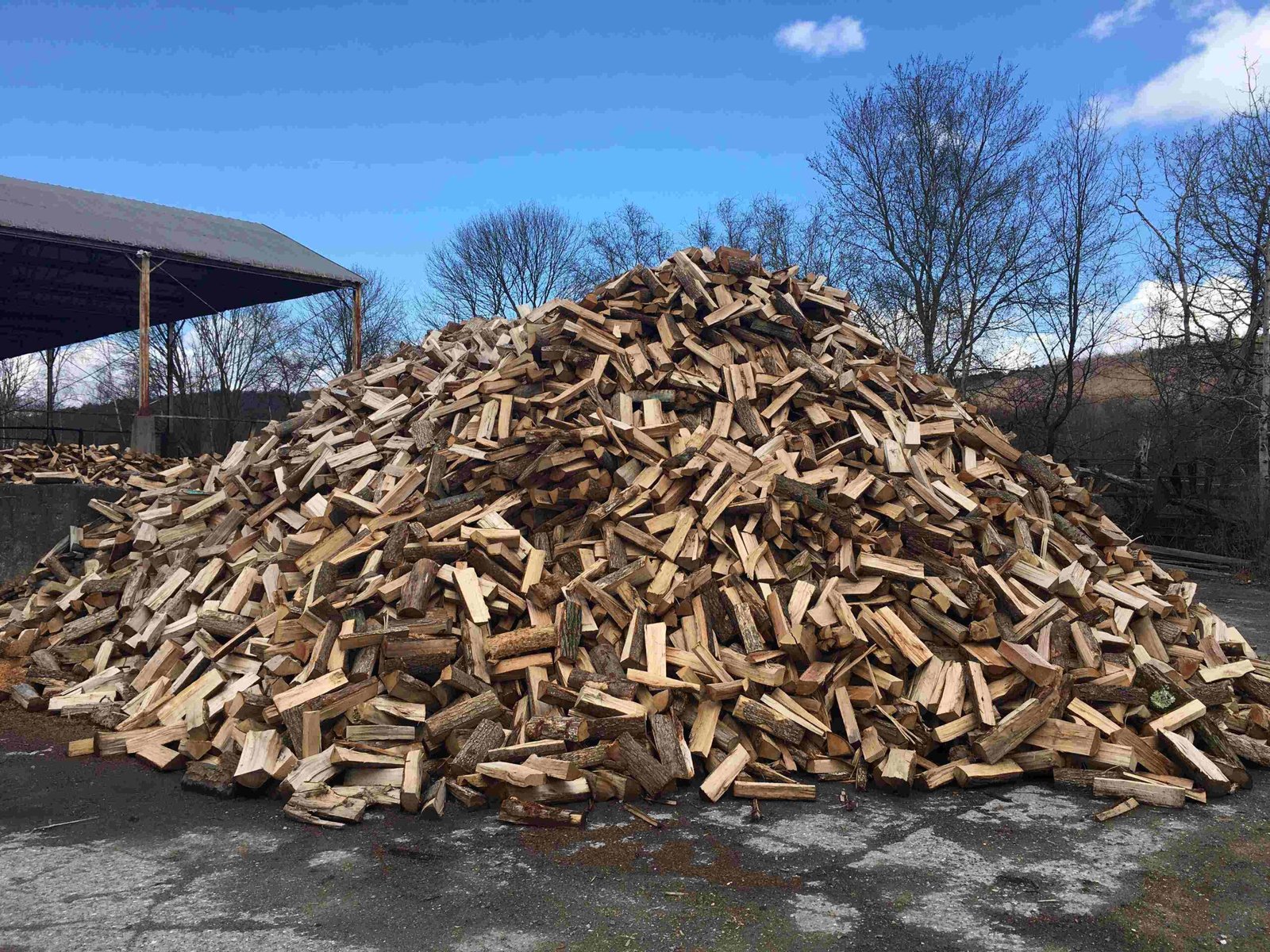
Buying Firewood In Bulk Near Me is one of the smartest decisions a homeowner can make before winter arrives. Purchasing by the cord, half-cord, or larger volumes reduces the per-unit cost substantially compared with small bags or face cords sold at convenience stores or gas stations. Bulk delivery also ensures you have a full season’s supply ready when temperatures drop and demand spikes, which often drives up prices and creates shortages.
When you source Firewood In Bulk Near Me, you gain several practical advantages. Local suppliers typically understand regional wood species, delivery logistics, and seasonal demand patterns. They can schedule deliveries before heavy snow makes access difficult. Many offer stacking services or can place the load exactly where you need it for easy access to your woodshed or covered storage area. Buying locally also shortens the supply chain, which often means fresher, better-handled wood and support for regional forestry and small businesses.
Look for suppliers who specialize in kiln-dried product and can provide moisture meter readings or documentation. Ask about species mix, average piece length (usually 16 inches for most stoves), and whether the wood is fully split. A true cord measures 4 feet high by 4 feet wide by 8 feet long (128 cubic feet of stacked wood). Confirm the seller is providing a full cord or clearly stating the volume to avoid under-delivery.
Storage becomes critical once the bulk load arrives. Elevate the stack on pallets or rails for airflow underneath. Cover the top to shed rain and snow while leaving the sides open for continued drying and ventilation. Keep the pile at least several feet from the house to reduce pest and fire risks. Properly stored kiln-dried bulk firewood maintains its low moisture content and remains ready to burn all winter.
Many customers who buy Firewood In Bulk Near Me report that a single large order covers their entire heating season, eliminating multiple small trips and last-minute price increases. Planning ahead also allows time for any final seasoning if the wood is not fully kiln-dried, though quality kiln-dried product is ready to burn immediately upon delivery.
Understanding Firewood Fundamentals
Not all wood is equal. Hardwoods from deciduous trees generally provide higher density and longer burn times than softwoods from conifers. Oak, hickory, maple, ash, beech, and birch rank among the top performers for winter heating because of their high BTU content and coaling qualities. Softwoods such as pine, spruce, and fir ignite easily and produce quick heat, making them useful for kindling or shoulder-season fires, but they burn faster and can create more creosote if not fully dry.
Moisture content is the single most important measurable factor. Freshly cut “green” wood often exceeds 50% moisture. Seasoned wood that has air-dried for 6–24 months typically reaches 20–30%. Kiln-dried wood is forced to lower levels under controlled heat and airflow, often below 20%. A simple moisture meter is an inexpensive tool every wood burner should own. Insert the probes into a freshly split face; readings under 20% indicate excellent burning wood.
BTU (British Thermal Unit) ratings give a useful comparison of energy content. Dense hardwoods can deliver 20–30 million BTUs per cord when properly dried, while lighter softwoods may provide only half that. The actual heat you feel also depends on stove efficiency, draft, and how well the wood is staged (small pieces for starting, larger for sustained heat).
Firewood
High-quality Firewood forms the foundation of efficient winter heating. The ideal piece is split to a manageable size (typically 3–6 inches across for most stoves), free of excessive bark that can hold moisture or insects, and consistent in length to fit your appliance. Avoid wood with visible mold, excessive rot, or chemical treatments—never burn painted, stained, or pressure-treated lumber indoors.
Species selection influences both heat output and aroma. Oak produces long-lasting coals and high heat with a mild scent. Hickory offers excellent heat and a pleasant smoke that many associate with cooking. Sugar maple and red maple burn cleanly with good coaling. Ash is prized because it can burn relatively well even when slightly greener than other species, though kiln-dried remains superior. Fruitwoods such as apple or cherry provide lower volume heat but delightful fragrance for occasional use.
Softwoods have their place. Pine makes excellent kindling because its resin content helps it catch quickly. Once a bed of coals is established with hardwood, softwood can be added carefully for quick temperature boosts, but continuous softwood burning increases chimney maintenance needs.
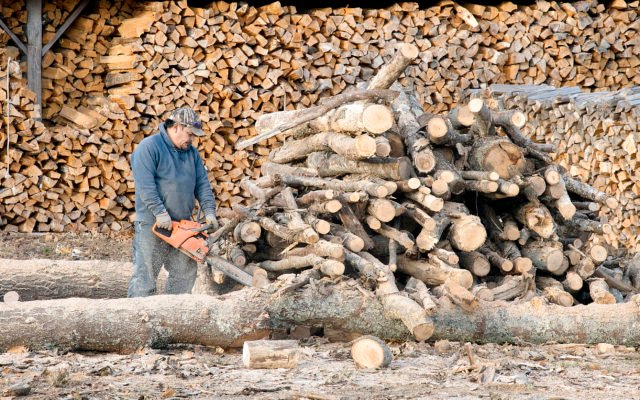
Proper splitting is essential. Larger rounds take longer to dry and burn unevenly. Most suppliers split wood to stove-ready sizes. If you process your own, invest in a quality maul or hydraulic splitter and aim for pieces that fit comfortably through your stove door with room for air circulation.
Firewood Near Me
Searching for Firewood Near Me yields better results when you know what questions to ask. Local suppliers understand regional tree species, local drying conditions, and delivery challenges specific to your area. They can often provide fresher product than distant big-box retailers whose wood may have sat in yards for extended periods under varying weather.
Start by identifying reputable local sources—specialty firewood yards, tree service companies that process their own wood, and farms with managed woodlots. Check recent customer reviews focused on moisture content, accurate volume measurement, and reliable delivery. Ask whether the wood is kiln-dried or air-seasoned and request current moisture readings if possible.
Proximity matters for more than convenience. Shorter transport distances reduce the chance of the wood absorbing moisture during transit and lower the carbon footprint of your heating fuel. Local suppliers are also more likely to offer flexible delivery windows and the ability to place the load exactly where you need it, minimizing your labor.
When evaluating Firewood Near Me options, compare not only price per cord but also the effective cost after accounting for moisture, species quality, and delivery fees. A slightly higher price for guaranteed low-moisture kiln-dried wood often proves more economical because you get more usable heat and less waste.
Buy Firewood Near Me
The decision to Buy Firewood Near Me should be driven by timing, volume needs, and quality verification. Order early—late summer or early fall—before peak demand drives prices up and inventories down. Many suppliers offer early-bird discounts or free delivery for larger orders placed before the first hard freeze.
Calculate your approximate seasonal need. A well-insulated home with an efficient stove might use 2–4 cords for primary heat in a moderate winter; older or larger homes can require significantly more. Factor in secondary uses such as outdoor fires or backup heat during power outages. Buying a little extra is usually wiser than running short in January.
When you Buy Firewood Near Me, insist on clear volume definitions. A “rick” or “face cord” is not a full cord—it is typically one-third the volume. Confirm stacking method (tightly stacked versus loosely thrown) because this affects the actual amount of wood delivered. Reputable sellers measure and stack properly or provide cubic-foot equivalents.
Payment and delivery terms deserve attention. Some suppliers require deposits for large bulk orders. Clarify whether the price includes stacking or simply dumping the load. If you have limited access, discuss whether the delivery truck can reach your preferred drop location. Taking photos of the delivered load and measuring a sample stack helps resolve any volume disputes quickly.
Kiln Dried Firewood
Kiln Dried Firewood represents the gold standard for winter heating fuel. The kiln process uses controlled heat, typically between 160–220°F, combined with airflow to drive moisture out of the wood far more rapidly and uniformly than air drying. The result is wood with moisture content consistently in the 15–20% range or lower, ready to burn immediately upon delivery.
The advantages are substantial. Higher heat output occurs because less energy is wasted turning water into steam. Cleaner combustion produces less smoke and fewer particulates, improving indoor air quality and reducing chimney creosote accumulation. Longer burn times mean fewer reloads and more consistent overnight heat. Kiln drying also kills insects, larvae, and mold spores that can accompany air-seasoned wood, making storage cleaner and safer.
Not all kiln-dried product is identical. Quality producers monitor moisture throughout the process and may further condition the wood after kiln treatment. Ask suppliers about their kiln cycle times, target moisture levels, and whether they provide test results. Some operations dry only certain species or sizes; others handle mixed hardwoods.
Compared with air-seasoned wood, Kiln Dried Firewood commands a premium price, but the performance difference usually justifies the cost for serious wood burners. You receive more usable energy per dollar, greater convenience, and reduced maintenance. For households in humid climates where air drying is slow and unpredictable, kiln-dried product removes a major variable from the heating equation.
Best Hardwood Species for Winter Heat
Oak remains a perennial favorite. White oak and red oak both deliver high density and excellent coaling properties. A well-dried oak fire can hold heat for many hours, making it ideal for overnight burns. Hickory ranks near the top in BTU content and produces a steady, hot fire with attractive coals. Maple, particularly sugar maple, burns cleanly and provides reliable heat. Ash is valued for its relatively low moisture content even when green and its ease of splitting. Beech and birch also perform well, with birch offering a pleasant aroma.
Mixed hardwood loads are common and often provide a good balance of easy lighting (from slightly lighter species) and long-lasting heat (from denser ones). Avoid loads dominated by very light or rotten wood. If possible, inspect a sample before full delivery.
Softwood Roles and Limitations
Softwoods should not be dismissed entirely. Their high resin content and lower density make them outstanding for kindling and for quickly raising stove temperature. Many experienced burners keep a small supply of dry pine or fir specifically for starting fires and for shoulder-season use when full hardwood heat is unnecessary. Continuous softwood burning, however, increases creosote production and requires more frequent chimney inspection and cleaning.
Measuring Moisture and Ensuring Quality
A pin-type moisture meter is essential. Test multiple pieces from different parts of the stack, inserting probes into freshly split surfaces rather than bark or ends. Readings consistently under 20% indicate excellent fuel. Visual cues help too: well-dried wood is lighter in weight, shows checks and cracks on the ends, and produces a sharp sound when two pieces are struck together rather than a dull thud.
Smell can also provide clues. Properly dried hardwood has a clean, woody scent. Musty or sour odors suggest residual moisture or mold.
Proper Storage Practices for Winter Readiness
Even kiln-dried wood benefits from good storage. Elevate the stack at least a few inches off the ground. Cover only the top with a waterproof tarp or roof, leaving sides open for airflow. Orient the stack to catch prevailing winds if possible. Keep the area around the pile clear of debris that could harbor pests. A well-built woodshed with open sides and a solid roof is ideal for multi-season storage.
Rotate stock when possible—use older wood first. Avoid stacking against exterior house walls where moisture and pests can transfer. In regions with heavy snow, ensure the storage area remains accessible throughout winter.
Efficient Burning Techniques
Start with a clean firebox and open damper. Use dry kindling and small splits to establish a hot coal bed quickly. Once the fire is established, add larger pieces and adjust air controls for the desired heat output. Avoid smothering the fire with too much wood at once; this leads to incomplete combustion and smoke. Maintain a moderate, lively fire rather than a smoldering one.
For overnight burns, load the stove with dense hardwood after establishing strong coals, then reduce air slightly. Modern EPA-certified stoves are designed for efficient, clean burns when operated correctly—follow the manufacturer’s recommendations closely.
Chimney and Safety Considerations
Annual chimney inspection and cleaning are non-negotiable when burning wood. Creosote buildup is the leading cause of chimney fires. Burning only dry, high-quality wood dramatically reduces creosote formation. Install and maintain working smoke and carbon monoxide detectors. Keep a fire extinguisher rated for wood fires accessible. Maintain proper clearances around the stove and never leave a fire unattended for extended periods without proper safeguards.
Environmental and Sustainability Aspects
Responsibly sourced firewood can be a renewable heating option. Look for suppliers who harvest from managed woodlots, use storm-damaged or thinned trees, or process urban wood waste. Kiln drying uses energy, but the efficiency gains during burning and the reduction in smoke often offset the processing impact compared with burning wet wood. Local sourcing further reduces transportation emissions.
Cost Analysis and Value Calculation
Price per cord varies by region, species, drying method, and season. Kiln-dried hardwood typically costs more upfront than green or air-seasoned wood. Calculate true value by estimating usable BTUs. Lower-moisture wood delivers more heat per volume, burns longer, and requires less frequent chimney service. Factor in delivery fees, stacking charges, and your time. Bulk purchases usually yield the best per-unit economics.
Common Mistakes to Avoid
Buying green wood late in the season and expecting it to dry in time is a frequent error. Underestimating volume needs leads to mid-winter shortages and higher prices. Storing wood directly on the ground or fully enclosed under plastic creates moisture and mold problems. Burning unseasoned or inappropriate materials (trash, treated lumber, driftwood) creates hazards and damages equipment. Neglecting chimney maintenance is dangerous and expensive.
Preparing Your Home and Equipment
Before the heating season, inspect your stove, fireplace, or insert for cracks, worn gaskets, and proper operation. Clean the chimney and flue. Ensure adequate clearances and non-combustible flooring or hearth protection. Stock dry kindling and fire starters. Consider a temperature gauge for the stove or flue to optimize burns. Have a backup heating plan for extreme cold or equipment failure.
Regional Considerations
Climate affects both wood availability and drying rates. In humid or rainy regions, kiln-dried product offers a clear advantage. In drier climates, well-managed air-seasoned wood can perform nearly as well if given sufficient time. Local species vary—eastern users often have abundant oak and maple, while other regions rely more on different hardwoods or mixes. Local suppliers understand these nuances best.
Long-Term Planning for Reliable Heat
Treat firewood procurement as an annual planning process rather than an emergency purchase. Build relationships with reliable local suppliers. Maintain storage capacity for at least one full season’s supply plus a reserve. Keep moisture meters and basic tools on hand. Educate household members on safe fire-building and stove operation. Over time, these habits reduce stress and increase the enjoyment and effectiveness of wood heat.